

Sikkim, India
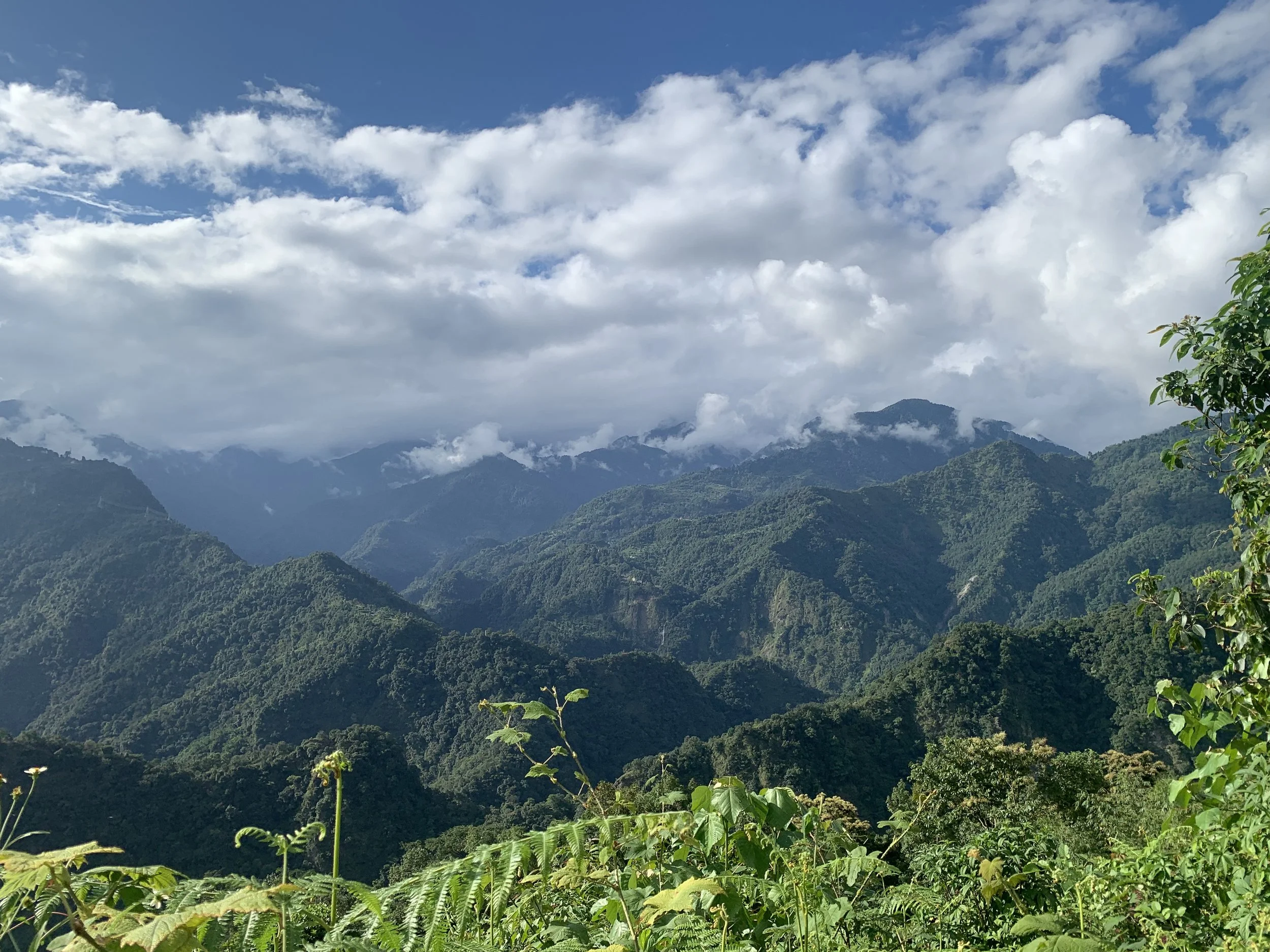
Sikkim is a small Himalayan state in India’s Northeast region, that borders Bhutan to the east, China/Tibet to the north, and Nepal to the west. It holds a particular place in the Tibetan Buddhist imagination as a beyul, a sacred hidden valley. Tibetan texts dating back to the 17th century depict a landscape dotted with sacred sites, hidden treasures and healing waters. Recognising the cultural and environmental value of the territory, Khangchendzonga National Park that covers a third of the state, was even declared a UNESCO World Heritage Site in 2016.
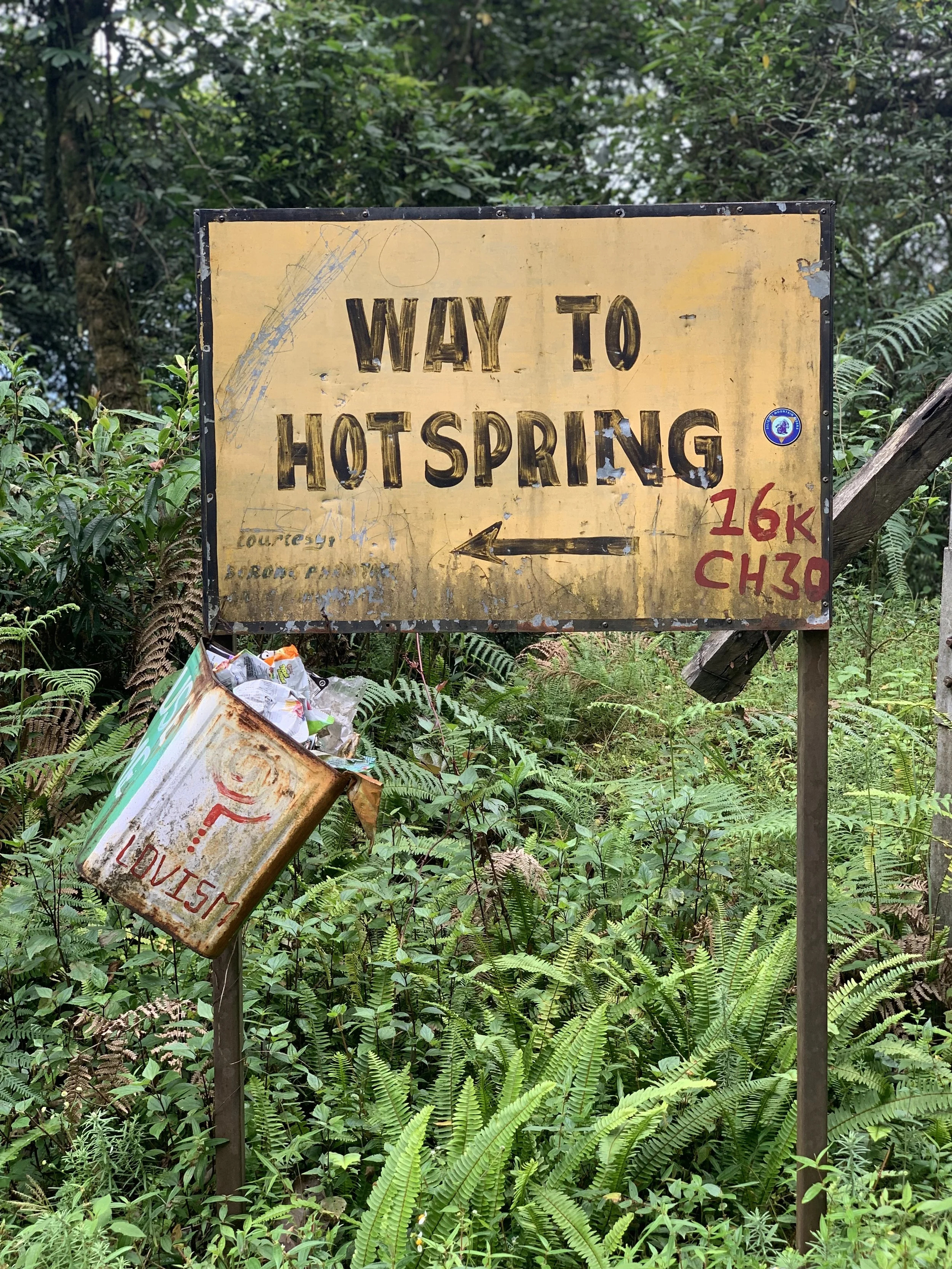
Sign to Borong Hot Spring, Namchi District, 2026
Both the springs and the plants thus take on a new significance in local politics and economy. In other words, the increase of their exchange value through their integration in a capitalist market has transformed their use value. This tells a story of the changing ways in which people relate to the environment around them in a capitalist economy, and with it the many ways in which enduring and emerging inequalities manifest.
View in Gyalshing District, 2026
While the mineral hot springs and plants native to Sikkim have long been used by the local inhabitants and Sowa Rigpa practitioners for their medicinal properties, two more recent phenomena have contributed to a shift in their use. First, the Tibetan medicine system of Sowa Rigpa (or ‘Science of Healing’), has been developed as a veritable industry of traditional medicine since the 1990s. Along with the subsequent formal recognition of Sowa Rigpa by the Indian state in 2010, this has led to a high demand for medicinal plants on a transnational market in the wider region. These plants are now grown in Sikkim in large pastures for export rather than local use. The management and ownership of these pastures is tightly regulated by the Sikkimese government.
Secondly, a growth in tourism mainly from other parts of India, Nepal, and Bhutan, has resulted in a much higher number of people visiting the hot springs for therapeutic use. Once more open, their access is now managed by local committees and subject to monetary exchange. These new barriers to access have consolidated a change in the groups of people who can now use the springs, and with it the springs’ place in human sociality.
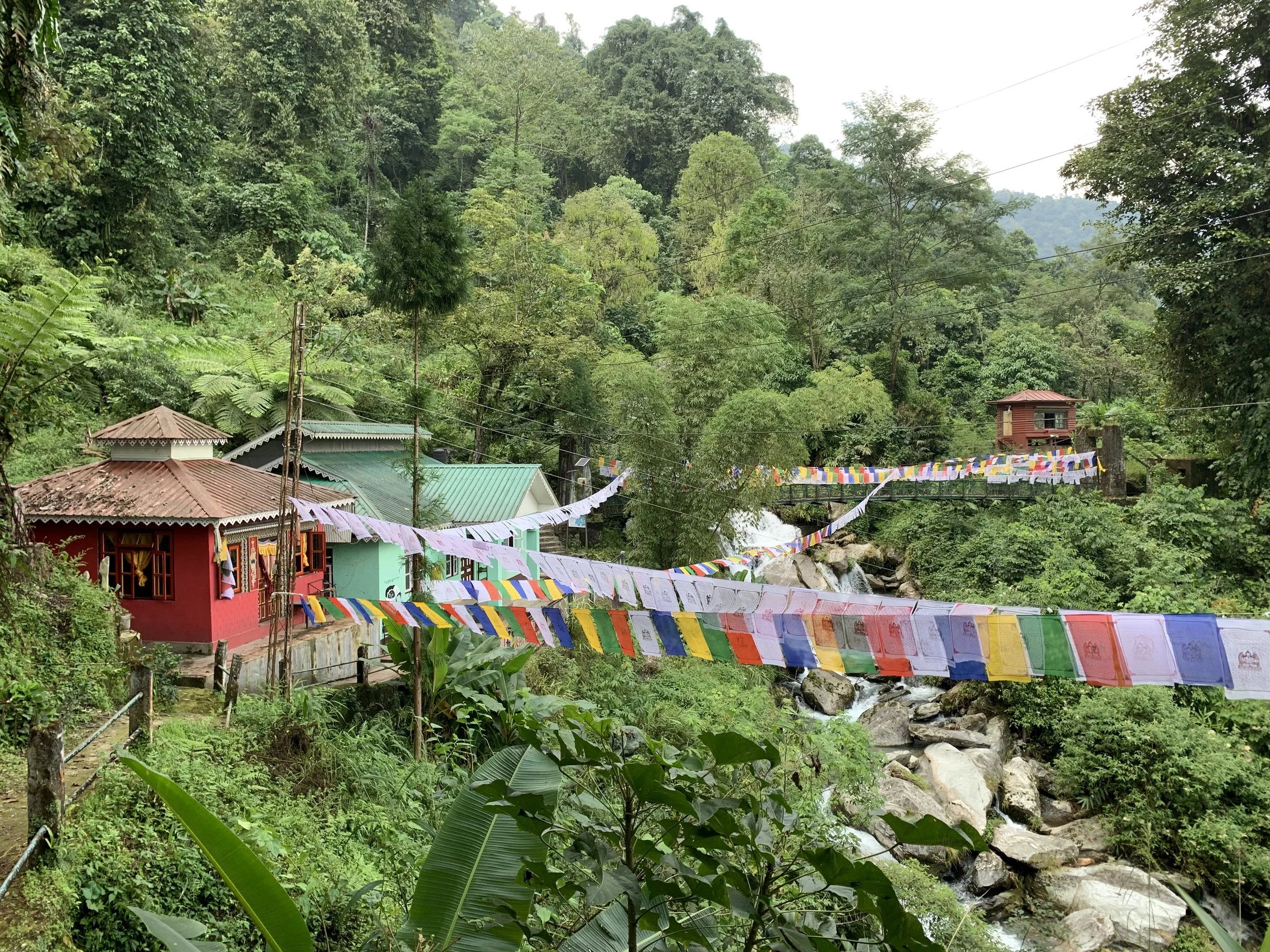
Lingdem hot spring, Dzongu, Mangan District, 2026